


Bathroom Remodeling in Plymouth: What Comes First, Fixtures or Floor?
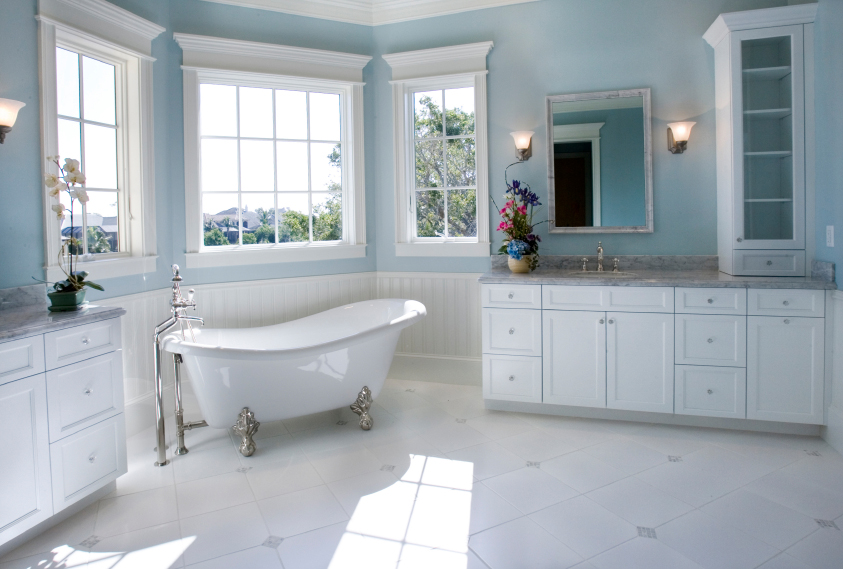 If you are planning bathroom remodeling in Plymouth, the order of work matters more than most people think. Do floors go in first, or do you set the tub, vanity, and toilet before you touch tile or LVP? Below is a simple, proven sequence our neighbors in Manomet, Chiltonville, North Plymouth, and Cedarville can use to keep the project clean, safe, and on schedule. For bigger design choices, explore our remodeling contractor services to see how M.E. Construction coordinates every phase.
Why the Order Matters In A Plymouth Bathroom
Plymouth homes range from older capes with tight alcoves to newer builds with large primary suites. In small spaces, one step finished out of order can create ripple effects like uneven transitions, pinched clearances, or damaged waterproofing. The right sequence protects your subfloor, keeps fixtures square, and prevents rework that stalls inspections and adds days to your timeline.
The Smart Sequence: Fixtures Or Floor First?
Short answer: set what must be locked to walls and drains first, protect your waterproofing, then install finished flooring, then place the rest of the fixtures. Most projects follow a rhythm that keeps trades moving and the room protected from Plymouth’s coastal humidity.
- Rough-in and framing adjustments
- Set tub or shower pan and complete waterproofing
- Install floor tile or LVP, then baseboards if used
- Place vanity and hook up plumbing
- Set toilet, trim out, and final fixtures
This order keeps waterproofed areas sealed early, avoids cutting tile around a new vanity, and makes toilet height land where it should. It also reduces the risk of scuffs and chips in a finished space.
When Flooring Should Go In Before Most Fixtures
In many Plymouth bathrooms, flooring should be installed after the shower pan or tub is set but before vanities and the toilet are placed. That approach helps continue tile or LVP cleanly under the vanity footprint and across the room, which looks better and makes future changes easier. It also lets you hit exact heights at doorways and transitions common in older homes where floors may not be perfectly level.
With flooring in first, you can position the vanity exactly where you want it without being forced by cut lines. It also helps seal the floor as one continuous plane, which is useful in coastal areas where moist air sneaks in around trim and under toe kicks.
When Fixtures Should Go First
There are times when setting a tub or shower first is the smartest move. A cast-iron tub, for example, is heavy and can dent or crack finished floors if moved over them. Likewise, prefab shower pans need to be anchored, leveled, and fully waterproofed before the floor goes in so that the pan lip is properly overlapped by wall tile and not compromised by later cuts.
Some styles of vanities that are truly built-in from wall to wall may also be installed before flooring. In that case, finishing the floor to the toe kick can still look sharp, but you will want a skilled installer to maintain consistent reveals and clean cuts across the room.
Toilet Timing: Before Or After The Floor?
Most bathrooms in Plymouth set the toilet after finished flooring. That avoids rocking, keeps the wax ring properly compressed, and lands the toilet base on top of tile or LVP for a clean seal. If your plumbing rough sits low or your floor build-up is unusual, a flange spacer can help, but your contractor will plan this during rough-in so final heights come out right.
Never trap the toilet flange under tile without a plan. The flange should end up flush with or slightly above the finished floor to ensure a tight, long-lasting seal.
Waterproofing Comes Before Beauty
Shower pans, tub surrounds, and niche areas should be waterproofed and pressure-tested before the first floor tile is set. In our coastal climate, a pinhole leak or a missed seam invites moisture into the subfloor where it takes longer to dry. That can lead to soft spots or swelling that telegraphs through your tile pattern later.
Protect membranes during every step. Cover them when trades are in the room and avoid drilling new holes after tile and panels are up. Little details prevent big headaches.
Flooring Choices: Tile, LVP, Or Stone In Plymouth Homes
Ceramic and porcelain tile remain the standard because they resist water, handle radiant heat well, and fit traditional Plymouth styles. Luxury vinyl plank is a good option for secondary baths or basements because it tolerates small subfloor movements and feels warmer underfoot. Natural stone is beautiful in historic homes, but it needs sealing and steady care to handle salt air and seasonal humidity.
Whatever you choose, plan transitions. Many older homes in Manomet and North Plymouth have slight waves in the subfloor. Proper prep brings those within tolerance so grout lines stay tight and LVP seams stay closed over time.
Clearances, Code Basics, And Comfort
While exact rules vary, you still need comfortable clearances around the toilet, vanity, and shower doors so everyone can move safely. Good planning protects drawers from hitting trim and avoids doors clipping new glass. Confirm clearances on paper before anything is installed. That step alone saves rework and keeps your remodel on schedule.
Ventilation And Moisture In A Coastal Town
Plymouth’s sea air brings extra moisture, especially in summer. Strong ventilation and well-sealed penetrations keep your new bathroom fresh. Upgrading to a quiet, properly sized exhaust fan and venting it outside helps protect paint, grout, and cabinets. In winter, allow for adequate cure times since cooler temps can slow adhesives and grout. Your schedule should factor in season and material choice.
Pros And Cons: Flooring Under Or Around The Vanity
Many homeowners ask whether to run flooring under the vanity or stop at the toe kick. Running flooring wall to wall keeps options open if you ever swap a 60-inch cabinet for a 48-inch or go to a pedestal style. It also looks clean when feet are visible on freestanding vanities. Stopping at the toe kick can work if a built-in spans wall to wall and is not moving for a very long time.
Think about the next remodel now. Full flooring coverage makes future changes easier, especially in homes where styles evolve or families grow.
Shower And Tub Set First: Details That Protect Your Finish
If your design features a heavy tub or a shower pan, those should be installed and waterproofed before flooring. That sequence allows wall tile to overlap correctly and keeps the pan secure. Protect finished surfaces as the project moves along by covering walk paths and corners, since tight hallways are common in older Plymouth layouts.
Subfloor Prep: The Hidden Hero
Before you see a single tile, your team should evaluate the subfloor and underlayment. Squaring, leveling, and stiffening are small steps that deliver big results. In neighborhoods with older framing, shims and backer boards bring surfaces into tolerance so tile doesn’t crack and LVP joints stay tight.
- Check for squeaks and flex and address them before finish materials go in
- Plan for transition heights at hallways and bedroom doors
- Prime, seal, or treat as needed so adhesives bond reliably
These moves are part of a smooth bathroom remodel process and influence whether flooring or fixtures come next on your schedule.
Real-World Sequences For Plymouth Layouts
In a compact hall bath in Chiltonville, you may set the tub first, waterproof the surround, then install floor tile before bringing in a small vanity and finally the toilet. In a larger primary bath in Cedarville with a freestanding tub, you might tile the floor first so the tub sits on a continuous surface and the vanity aligns with long grout lines. A basement bath in North Plymouth with LVP often installs the shower base and waterproofs before finishing floors to keep seams tight in a cooler space.
Every layout has a best-fit order. The key is pairing material choice with sequence so edges, heights, and finishes meet cleanly.
Plan, Protect, And Keep The Schedule Moving
Great bathroom remodel planning reduces surprises. Create a room map showing drain locations, vanity width, and swing zones for doors and drawers. Note where accessories live so you don’t drill into waterproofed areas later. Keep dust control in mind since many Plymouth homes have open floor plans and older trim that holds dust.
When you coordinate tasks in the right order, trades can move quickly without stepping on each other’s work. That is how you avoid delays and keep your remodel moving from rough to final polish.
Linking The Pieces: How A Local Pro Coordinates It All
If you want one team to order materials, time deliveries, and protect finished work, explore our approach to bathroom remodeling services. From the first day of demo to the final walkthrough, M.E. Construction keeps the sequence tight so fixtures, floors, and finishes come together without stress.
Thinking Ahead: Maintenance And Longevity
After the remodel, simple habits protect your investment. Good ventilation after showers, wiping standing water near the tub, and checking caulk lines a few times a year go a long way. In a coastal town, those small steps keep moisture from building up where you can’t see it. Thoughtful choices now mean fewer repairs later.
Ready To Start Your Bathroom Remodel?
If you want a clear plan for bathroom fixtures vs flooring and a schedule that respects your home, reach out to M.E. Construction. Learn how our team manages every phase of bathroom remodeling in plymouth from design to install on our service page, or call 508-566-6087 to talk with a friendly pro.
Start at the source and keep everything coordinated by exploring bathroom remodeling in plymouth with our local team. We are here to help you choose the right order, the right materials, and the right timing for a smooth, beautiful finish.
